
The Interracial Left and the International Workers Order, 1930–1954
|
Book Talk
Co-sponsored by the Workers Circle, The Tamiment Library at NYU, and the Kheel Center at Cornell University Admission: Free |
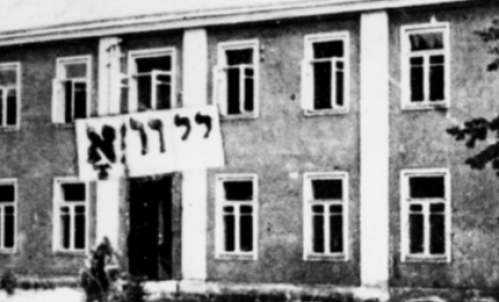
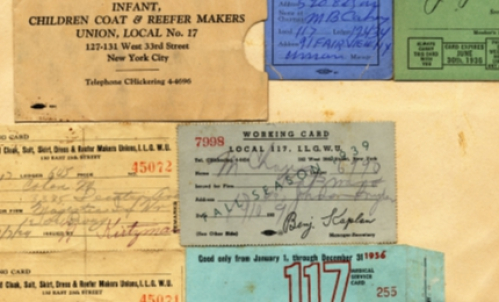
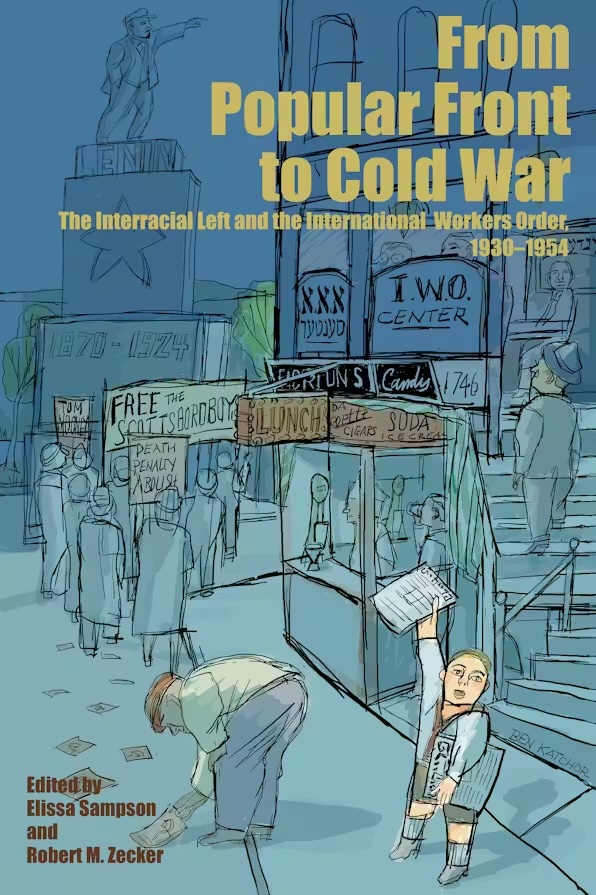
From Popular Front to Cold War tells the story of the International Workers Order (IWO), an organization founded in 1930 by leftist Yiddish speakers to provide life, burial, and health insurance to its members. The IWO broadened its mission to promote interracial solidarity, support labor unions, combat racism and antisemitism, and champion progressive social programs from the Great Depression into the postwar era.
At its height, the IWO had almost two hundred thousand members drawn from a broad ethnic and racial spectrum of the working class. It operated summer camps, published foreign-language newspapers, and supported a wide range of cultural activities. An early advocate for the US's entry into World War II, the IWO was ahead of its time in championing the nascent Civil Rights movement and Black leadership. Its leaders and activists included Clara Lemlich Shavelson, Ruth Rubin, Itche Goldberg, Paul Robeson, Langston Hughes, Louise Thompson Patterson, and Vito Marcantonio. After the war, it was declared a subversive organization due to its ties to the Communist Party and disbanded in 1954, though its legacy as a model for working-class cooperation across racial and ethnic differences endures to this day.
Join co-editor and contributor Elissa Sampson and contributors Jennifer Young and Felicia Bevel about this book, in a discussion led by Kate Rosenblatt.
About the Speakers
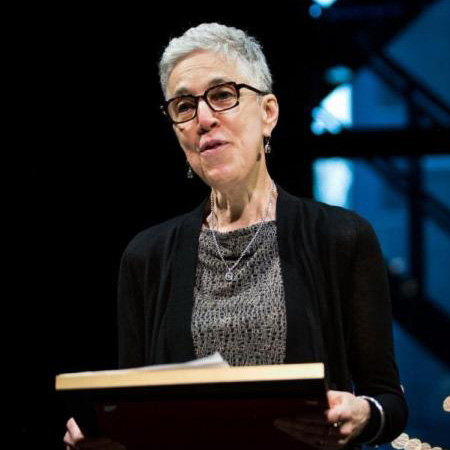
Elissa Sampson is a Research Associate in Cornell University's Jewish Studies Program. She is an urban geographer who studies how the past is actively used to create new spaces of migration, memory, heritage, and activism. Her life-long interest in migration, diaspora, re-diasporization, and culture has been pursued in the Lower East Side, Brooklyn, Jerusalem, Paris, and elsewhere and points to the dynamic interactions among diasporas in shared spaces/places.
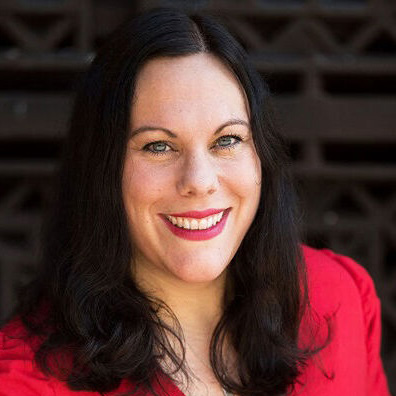
Jennifer Young is the Education Program Manager at the Yiddish Book Center. Jennifer served as the Director of Education at the YIVO Institute, where she also worked as Digital Learning Curator to produce YIVO's first online class, Discovering Ashkenaz. She has also worked at the Tenement Museum, the Lower East Side Jewish Conservancy, and the New York Historical Society. Jennifer received a B.A. in Anthropology and Jewish Studies from McGill University and an M.A. in Anthropology from the University of Illinois. After completing doctoral studies in Jewish history at NYU, she received an M.Ed in Museum Curriculum and Pedagogy from the University of British Columbia. She also serves as part of a scholars' working group dedicated to research and scholarship of the Yiddish Left, sponsored by Cornell University.
Felicia Bevel is an Assistant Professor of History at the University of North Florida. Her research and teaching interests include African American history, twentieth century U.S. history, cultural history, and childhood studies. Her current research examines early twentieth century American cultural productions that romanticized the Old South and circulated outside the U.S. within the larger Pacific world, specifically in Canada and Australia. Her work has been supported over the years by the Ford Foundation, ACLS, and Florida Education fund. At UNF, she teaches courses such as the Civil Rights Movement, the Black Pacific, and Blackness in Archives and has served on the advisory boards of the Digital Humanities Institute and Africana Studies. She is also a faculty member on the Red Hill Cemetery Project, a collaboration between UNF and the Okefenokee Heritage Center and Black Hertiage Committtee to document the history of an African American cemetery in Waycross, GA.
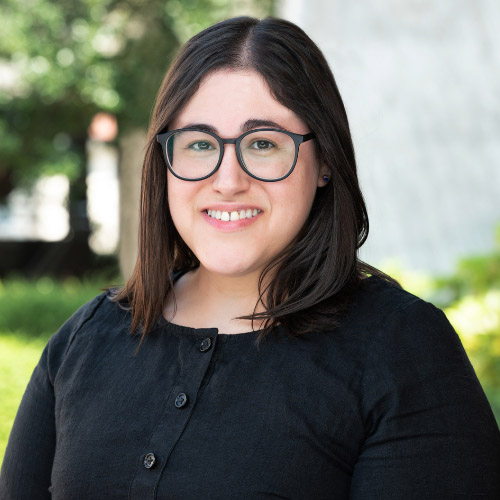
Kate Rosenblatt is the Jay and Leslie Cohen Assistant Professor of Religion and Jewish Studies at Emory University. She is a historian of American religion with a focus on the history and experience of American Jews. She earned a BA in American history from Columbia University (2006), a BA in Bible and Ancient Semitic Languages from the Jewish Theological Seminary (2006), and both an MA in Jewish Studies (2009) and a PhD in American history (2016) from the University of Michigan. Her first book, Cooperative Battlegrounds: Farmers, Workers, and the Search for Economic Alternatives (under contract, History of American Capitalism series, Columbia University) details the efforts of a coalition of Americans – workers, farmers, religious clergy and their laities, labor activists, reforms, state and federal bureaucrats, and others – to put forward an alternative expression of American capitalism by way of producer and consumer cooperatives across the twentieth century. She is also at work on a second book project, a reappraisal of the post-World War II American Jewish left.